Incorporating Sustainable Practices in Home Organization
As the focus on sustainability grows, homeowners are increasingly looking for ways to incorporate eco-friendly practices into their home organization efforts. This article explores effective strategies for creating an organized home while minimizing environmental impact.
Understanding the Basics of Sustainable Home Organization
Home organization often involves decluttering and optimizing space, which can lead to waste if not approached thoughtfully. According to a study by the National Association of Professional Organizers, many households report a desire to declutter but struggle with the environmental implications of discarded items. Sustainable practices in home organization can help mitigate this issue by emphasizing reuse, recycling, and responsible disposal.
"Implementing sustainable practices in home organization not only improves living spaces but also contributes positively to the environment." – Sustainability Expert
Effective Strategies for Sustainable Home Organization
- Choose Eco-Friendly Materials: When designing storage solutions, opt for materials that are sustainably sourced or made from recycled content. Research shows that using bamboo or reclaimed wood can significantly reduce your environmental footprint.
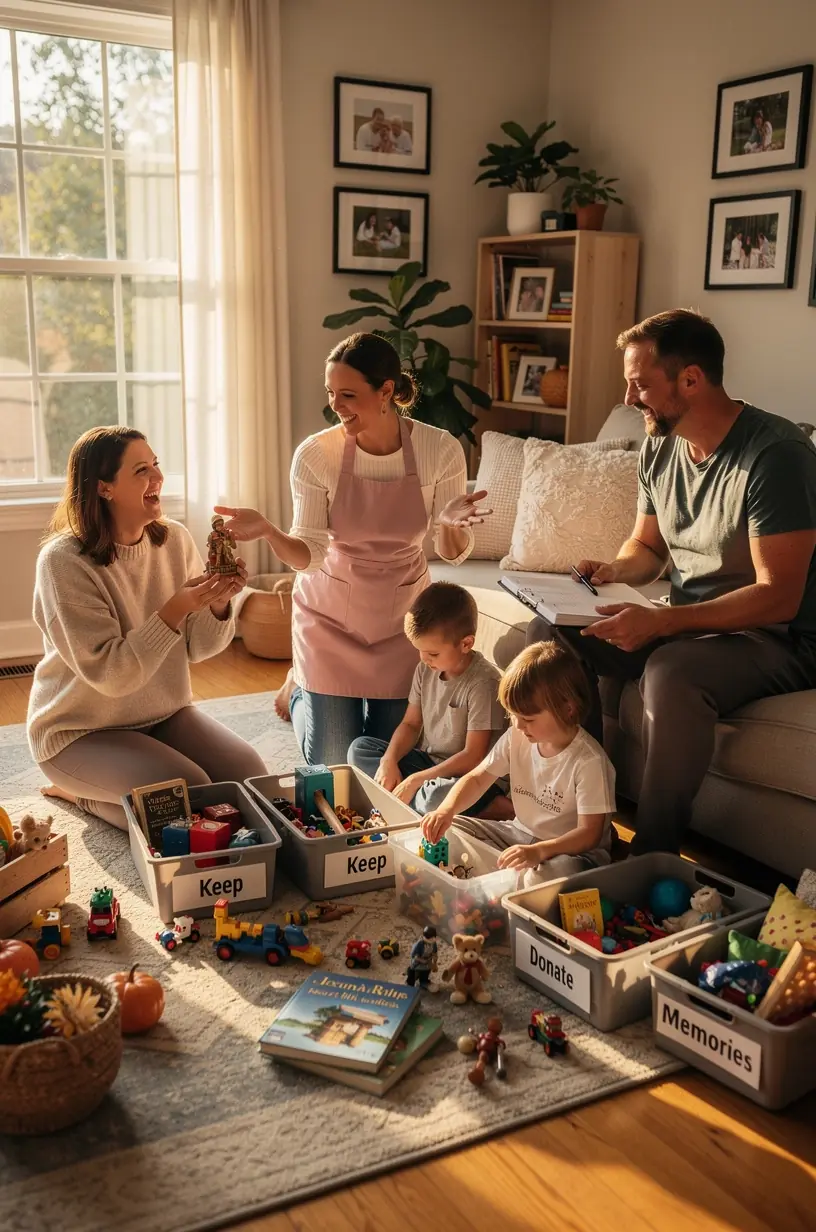
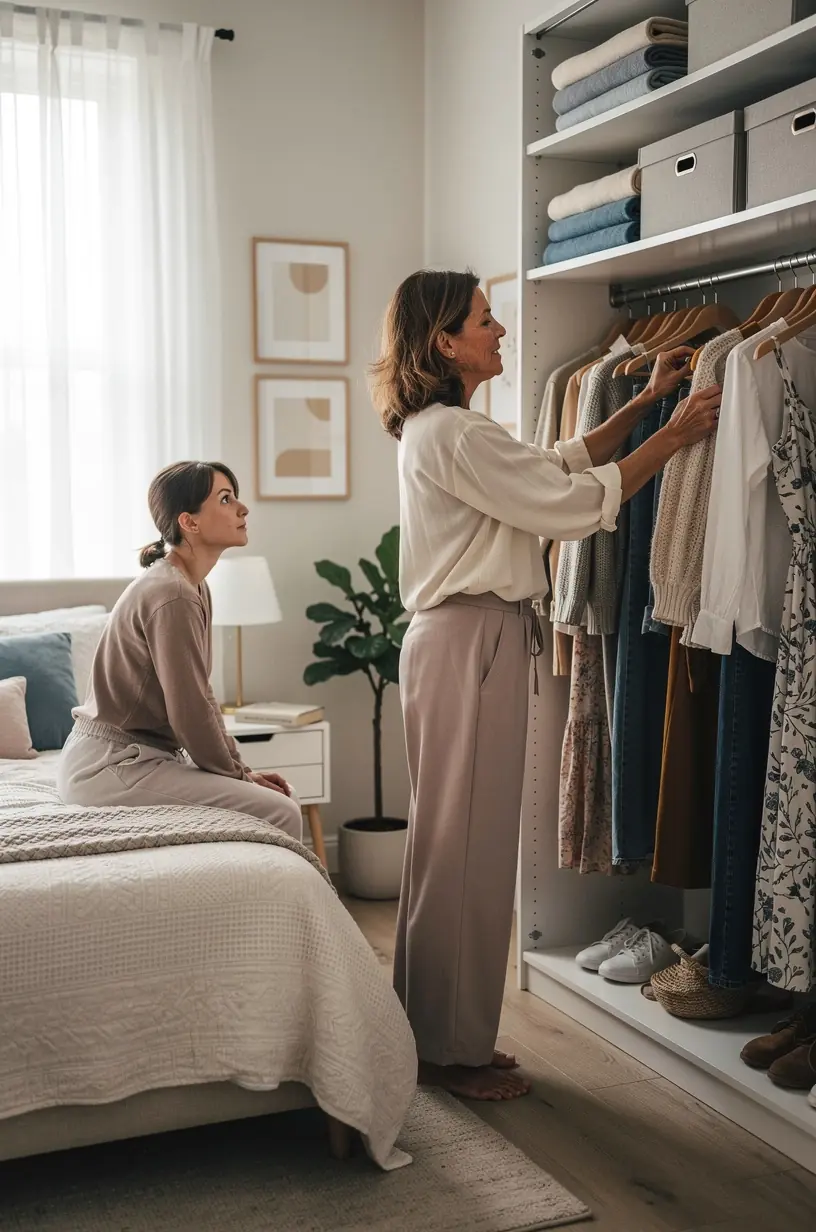
- Implement a Decluttering System: The "one in, one out" rule is a practical method for maintaining an organized space. This approach requires commitment and regular evaluation of belongings but can effectively minimize clutter while ensuring that nothing unnecessary is acquired.
- Utilize Second-Hand Options: Many users report success when sourcing furniture and storage solutions from thrift stores or online marketplaces. This not only supports a circular economy but also reduces demand for new products, which often involve resource-intensive manufacturing processes.
- Focus on Multi-Functional Solutions: Invest in items that serve multiple purposes, such as storage ottomans or expandable shelving. Experts suggest that these solutions can maximize space efficiency while reducing the number of items needed, thus minimizing waste.
Challenges and Considerations
While incorporating sustainable practices can be rewarding, it typically requires an initial time commitment and consistent effort. Organizing a home sustainably may take longer than traditional methods, often involving a learning curve to understand sourcing options and effective recycling practices. This approach works best when individuals are open to reassessing their consumption habits and dedicated to maintaining an organized environment.
Conclusion
By integrating sustainable practices into home organization, homeowners can create functional, eco-friendly spaces that reflect their values. These strategies not only contribute to personal well-being but also support broader environmental goals. With patience and diligence, anyone can transform their living space into an organized haven that prioritizes sustainability.